Showing posts with label kent. Show all posts

Tuesday, 7 June 2016

Late Spider Orchids

All European orchids have a charm to them but it is the genus Ophrys - the insect imitators - which are my favourites. These, arguably the most characterful of all Palearctic taxa, tend to be quite small and at first can appear inconspicuous. Look closer and they are anything but - the flowers are invariably stunning, their beauty epitomised by a spectacularly patterned lip which immediately draws focus. Indeed it is not just the botanist that finds them so alluring - so well-designed are the flowers that they readily fool amorous male insects in to mating with them, thus pollinating them.

Four Ophrys species occur in Britain. Bee Orchid is by far and away the most widespread and recognisable while Early Spider can be found in colonies numbering in to the thousands along the south coast in April and May. The third species, the diminutive and elegant Fly Orchid (my favourite British orchid), is also quite widespread but never particularly common. That leaves a final, much scarcer representative - Late Spider Orchid. Occurring at just a handful of locations in Kent, Late Spider is the trickiest member of its genus to see in Britain - or at least as tricky as twitching stationary flowers can be. Perhaps I should say it's the one that requires the most effort ...

For various reasons I have failed to make said effort to see Late Spider Orchid in either of the previous couple of years. I was determined to put the record straight in 2016 and so set an alarm for 04:00 on Sunday morning. Somewhat miraculously I resisted the urge to ignore it and was soon out of bed and on to the M25, heading for the far south-east as the sun began to rise.

The first colony of Late Spiders I visited were easily found thanks to the myriad of protective cages that betrayed their presence. The majority weren't yet flowering and many were stunted and unimpressive; just one or two plants looked good and so photo opportunities were a bit limited. James Lowen had informed me that this is a good site for Black-veined Moth but I couldn't see any in a reasonably brief search - perhaps it's still a tiny bit early in the year for them? Either that or I was still half asleep.


With the Late Spiders failing to impress I headed over to another site, nearer to Folkestone. Here I found a much better range of flowering specimens and, although the 20 or so plants meant that photo opportunities were always going to be a little restricted, I came away with a more pleasing series of images. I was struck by the amazing variation in lip shape, size and pattern among individual plants - the British colonies are apparently notorious for this. Also here were a few fairly puny Man Orchids and a handful of Common Spotted just beginning to flower.


I still haven't worked out what conditions I find best for photographing orchids. I quite like the early morning sunshine, which gives the subject a nice glow, but bright sunshine quickly becomes too harsh at this time of year and I tend to prefer neutral light for photography anyway. The above three images were taken during a brief spell of cloudier conditions at the second site while the below image was taken in sunshine.


Offering more or less wall-to-wall blue skies, Sunday was fantastic morning to be out on the Kent Downs. Late Spider was my first new orchid of 2016 - I have a few more targets to mop up in the coming weeks, so be prepared for one or two more flowery posts.

Sunday, 31 May 2015

May Orchids

A first outing for me this season last weekend (23 & 24 May), Sword-leaved was a tick while the only Lady I had seen previously was a single plant at Hartslock that was some way past its best. Seeing thousands of both species was pretty eye-opening!

Bigger, better versions on my Flickr pages.

Lady Orchid, Kent

Monkey Orchid, Kent

Sword-leaved Helleborine, Hampshire

Fly Orchid, Hampshire


Burnt-tip Orchid, Hampshire

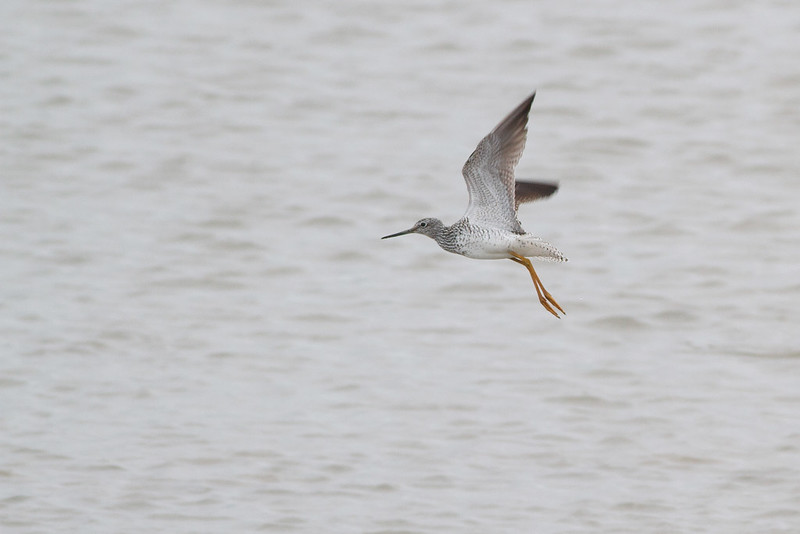
I also managed to jam in on the Greater Yellowlegs at Titchfield Haven on Sunday:

Greater Yellowlegs

Tuesday, 11 November 2014

Desert Wheatear


Arriving from the second half of October onwards, Desert Wheatears tend to mark the conclusion of the autumn period in Britain. There have already been three this early November, including the extremely tidy male pictured above at Reculver, Kent.

With Sunday free and having not seen a DW in Britain since the female I ticked while dipping Chimney Swift on Holy Island in 2005, I met up with Rich and headed down to Kent for an hour or so in the company of this bird. The light was grey and flat but the bird made up for it, despite the seemingly endless procession of lens wielding admirers parked flat on the beach about ten metres from its favoured rocks. This species has a habit of being pretty fearless and so it proved; though not bothered by humans, it wasn't quite as ridiculous as the Lowestoft bird looked! You'll notice that the DW is facing left in every shot - all thanks to a light but persistent southwesterly.

More wheatear pics on my Flickr pages:


Having had our fill and taken enough photos to add to the ridiculous total already taken by others, we headed down to Dungeness for the afternoon. The best bird was a brief first-winter Yellow-legged Gull but we did speed by a Great White Egret, which was mincing around in the usual corner of ARC Pit.

Brief (shite) Desert Wheatear vid:

Monday, 20 May 2013

Dusky Thrush in Kent


The Dusky Thrush at Margate - a similar pose to the first image I saw on opening Steve Tomlinson's email!

Despite a call on the BirdGuides hotline from Kent birder Steve Tomlinson at around 22:00 on Friday evening describing a strange thrush that he'd seen in Margate cemetery, I must admit that I still had a bit of a shock when he emailed over a bunch of shots apparently depicting female Dusky Thrush - what was worse that it had apparently been present since Wednesday! Following a couple of follow-up phone calls (including to Will at RBA), we decided to run with the news at around 23:00 and the rest is history.

Needless to say, the bird was still present the next morning although I was again working on the news. Alan T kindly agreed to take over at 12:30 and I met Kit Day shortly after at the utterly offensive Lakeside Retail Park in Thurrock. Ninety minutes later, we were watching the thrush and, although it was pretty elusive at times, it eventually showed well late afternoon as the crowds dispersed.


There's been quite a bit of discussion about the purity of this bird, though it's really hard to find any sort of quality literature and photographs of Dusky Thrushes in general (let alone second calendar-year females), but this one has quite a bit of rufous in the flanks while this one is a dead ringer for the Kent bird. The plot is thickened by the fact that at least one Chinese birder seems to think it is an integrade - not with Naumann's, but perhaps with Black-throated Thrush! Must admit I never realised these Asian thrushes couldn't keep the the snake in the basket, so to speak.